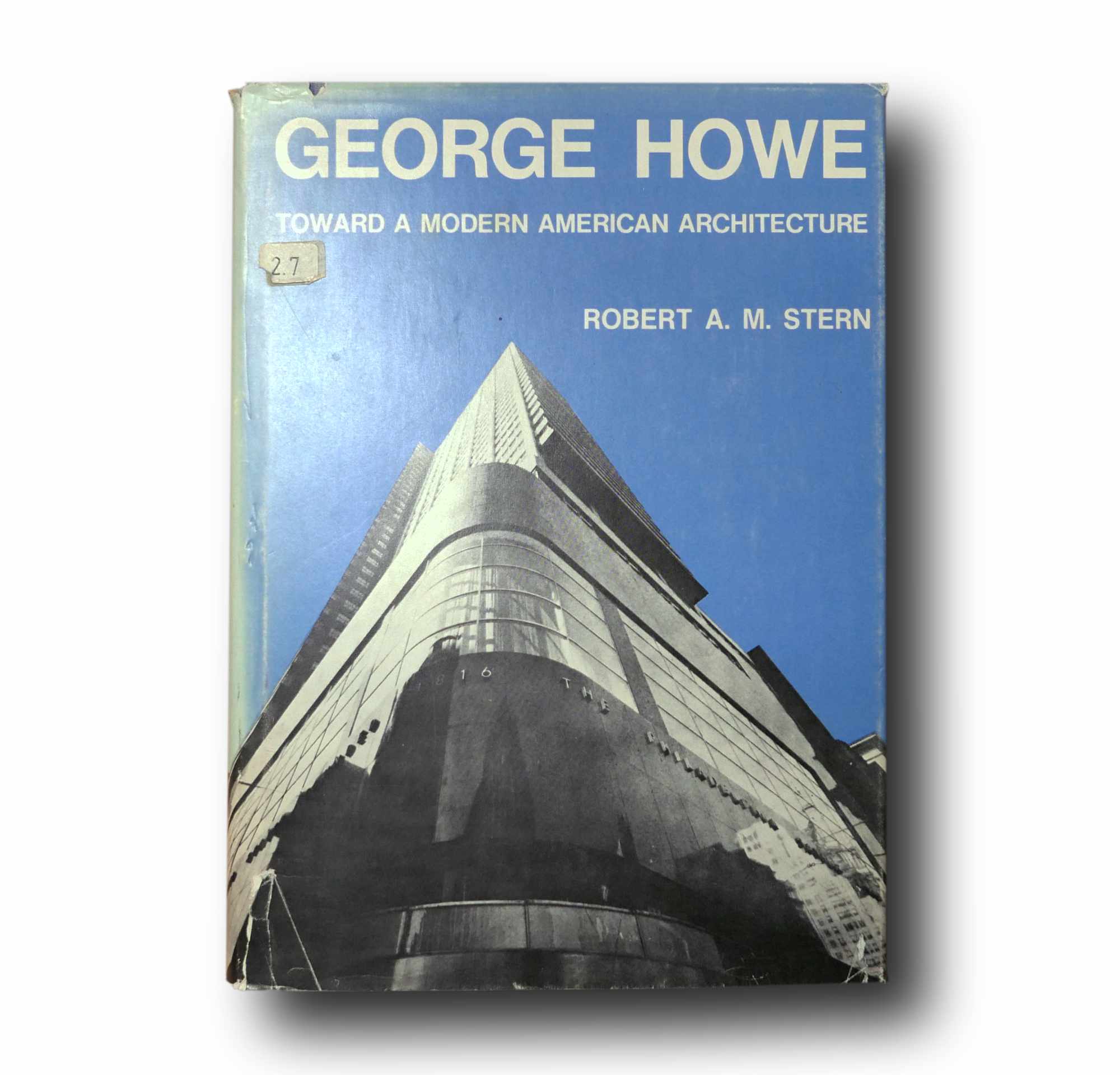
George Howe: Toward a Modern American Architecture, by Robert A.M. Stern (Yale University Press 1975), gives a thorough analysis of the legacy of the American architect George Howe (1886–1955), his life and works, and influence on architectural education.
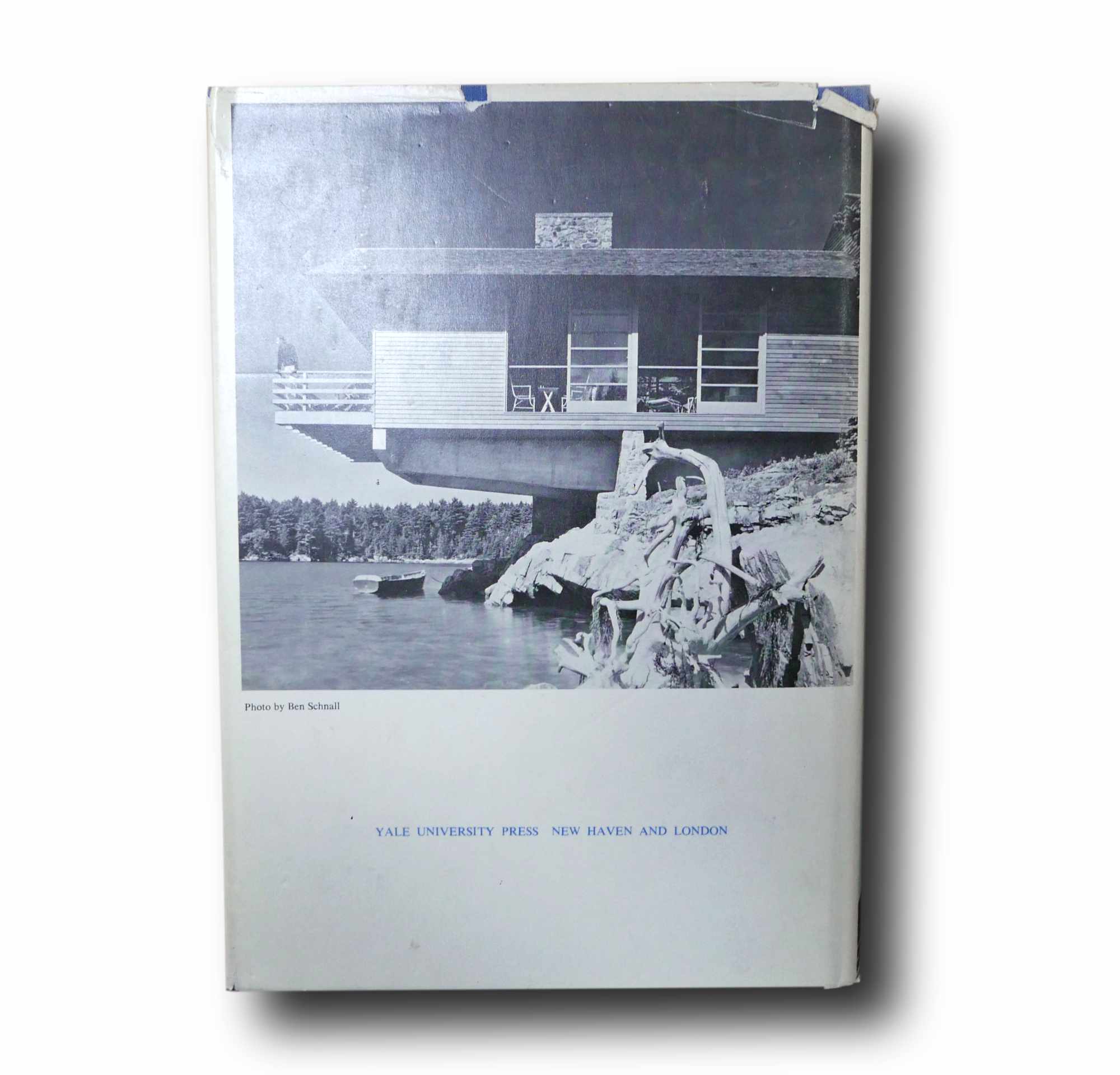
[George] Howe’s career as a modernist is marked by an important succession of buildings, including the Philadelphia Saving Fund Society, now regarded as the canonical International Style skyscraper of the period, projects for the Museum of Modern Art, and two remarkable houses, Square Shadows and Fortune Rock. Howe brought to the style a concern for “fundamental principles” of building. His ability to mesh traditional values with the mechano-morphological cubism of the style, and ultimately to go beyond that restricted vocabulary, offers an important lesson to architects today as they redefine architectural form in relation to changing cultural, economic, and political situations.
Howe’s association with T-Square and Shelter magazines in the 1930s, his role in influencing public planning policy during World War II, and his contributions to architectural education in the early 1950s, when he served as chairman of the Department of Architecture at Yale, reinforce the importance of his career as a practicing architect. His position in the chain of influence that has come to be called a “Philadelphia School,” whose members include Furness, Eyre, Cret, Giurgola, Kahn, and Venturi, is a vital one.
The story of George Howe’s career, as told by an architect and historian who studied at Yale in the 1960s when Howe’s influence was still felt, offers a perceptive discussion of both a key figure and a little-studied phase of American architecture.
– Robert A.M. Stern, George Howe: Toward a Modern American Architecture (Yale University Press, 1975), excerpt from the book description
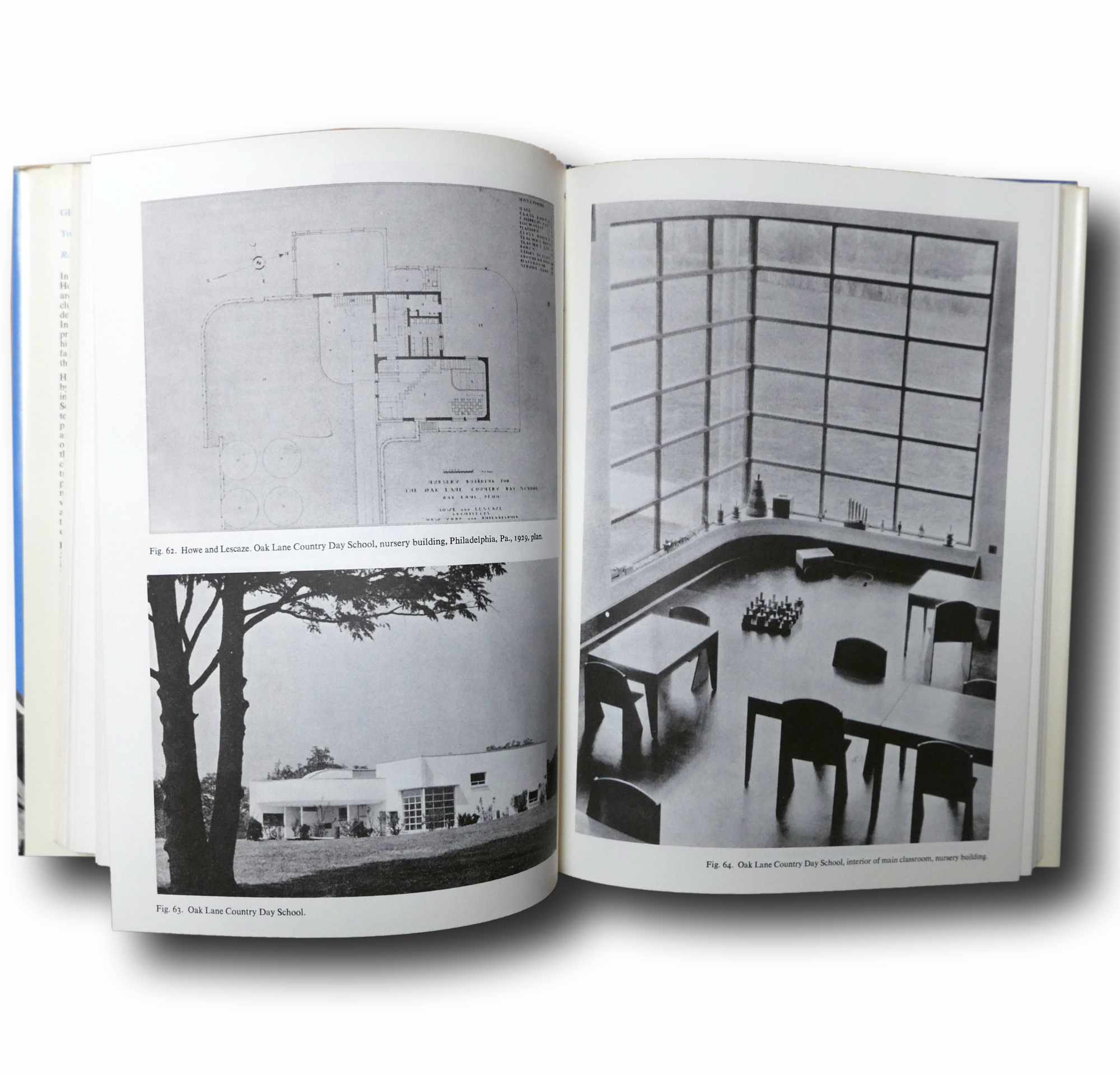
The text is in English. The book includes black-and-white photographs and architectural drawings.
Our copy is in nice condition. The pages are clean, with no markings except the previous owner’s ownership stamp on the first flyleaf. The pages are slightly toned. The binding is fine. The dust jacket has edge wear and shows signs of shelf wear and use. An index sticker is on the front cover.